I’ve spent a lot of time digging into what travelers really need to know before heading somewhere new. From safe, welcoming spots to the best local events, I’ve got a handle on the info that helps you feel comfortable and confident while exploring. Plus, with my background in travel writing, I know how to paint a picture that makes you feel like you’re already there, soaking up the culture and vibrant energy of a place like Oaxaca.
Oaxaca City is a place where history, vibrant colors, and authentic Mexican culture come together in an unforgettable way. From cobblestone streets and colonial architecture to mezcal tasting rooms and markets bursting with handmade crafts, there’s no doubt this city has a unique allure. But for travelers, there’s often a pressing question: Is Oaxaca City truly worth visiting?
In this guide, we’ll explore why Oaxaca is not only worth a trip but may also be one of the best destinations in Mexico. Let’s dive into what makes Oaxaca City special and what visitors should know before going.
Why Oaxaca City Should Be on Every Traveler’s List
➡️ A Cultural Hotspot with a Relaxed Vibe
Oaxaca City is often described as a cultural capital, offering everything from art galleries and historical sites to vibrant fiestas and parades. Unlike some other Mexican cities that can feel a bit overwhelming, Oaxaca maintains a laid-back, welcoming atmosphere. This makes it ideal for travelers who want an immersive experience without the high-energy hustle of big tourist hotspots like Cancun or Mexico City.
➡️ Rich Indigenous Culture and Traditions
The state of Oaxaca has one of the most diverse Indigenous populations in Mexico, which influences everything from language and art to cuisine and festivals. The Indigenous heritage is celebrated rather than hidden, and this cultural pride resonates with gay travelers seeking authenticity and diversity.
Events and Festivals Travelers Will Love
Oaxaca City is famed for its lively festivals, and many are particularly appealing to travelers. Here are a few must-attend events:
➡️ Dia de los Muertos (Day of the Dead): Held in late October and early November, Day of the Dead is celebrated on a grand scale in Oaxaca. The city is filled with colorful altars, parades, and celebrations, making it a mesmerizing experience for all visitors. For travelers, the festival’s focus on remembrance and acceptance resonates deeply, making it a meaningful event to attend.
➡️ Guelaguetza Festival: This traditional Indigenous festival takes place in July and features dance, music, and costumes from Oaxaca’s various Indigenous groups. The Guelaguetza is a vibrant celebration of Oaxaca’s cultural diversity, and it’s a unique opportunity to witness Indigenous pride and heritage.
Must-See Places in Oaxaca City
➡️ Zócalo (Main Square)
The Zócalo is the heartbeat of Oaxaca City. It’s the perfect spot to take in the local vibe, with street musicians, vendors, and plenty of benches for people-watching. Surrounded by colonial buildings and the Oaxaca Cathedral, the Zócalo is a must-see for any visitor.
➡️ Santo Domingo Church and Cultural Center
The Santo Domingo de Guzmán Church is a stunning example of Mexican Baroque architecture. Adjacent to the church is the Santo Domingo Cultural Center, where you can learn about Oaxaca’s rich history and view impressive art and historical artifacts.
➡️ Mercado Benito Juárez
For a taste of Oaxaca’s famous cuisine, head to Mercado Benito Juárez. This bustling market offers everything from mole (a traditional Oaxacan sauce) to chapulines (fried grasshoppers). The market is a sensory overload in the best way, and it’s a perfect spot to pick up unique souvenirs.
Oaxaca’s Botanical Garden, or Jardín Etnobotánico, is a lush oasis located right in the heart of the city, next to the historic Santo Domingo Church. It showcases a stunning variety of native Oaxacan plants, from towering cacti to rare agaves, all arranged to highlight the state’s diverse ecosystems. Guided tours are available, providing fascinating insights into the cultural significance and medicinal uses of these plants, making it a must-visit spot for nature lovers and curious travelers alike.
Oaxaca’s Culinary Scene: A Foodie Paradise
Oaxaca is known as the “Land of the Seven Moles,” but there’s far more to its culinary scene than its signature sauce. Here’s what gay travelers should try:
➡️ Tlayudas: Often called a “Mexican pizza,” this crispy tortilla is topped with beans, cheese, and meat (or veggies if you prefer). It’s the ultimate comfort food after a night out.
➡️ Mole: With seven varieties, mole is a complex, rich sauce made from ingredients like chili peppers, chocolate, and spices. Each mole has its unique flavor profile, making it worth sampling them all if you can.
Mezcal is to Oaxaca what tequila is to Jalisco—only with a smokier, more complex flavor profile. Oaxaca is the heartland of mezcal production, and a visit wouldn’t be complete without trying this traditional agave-based spirit. Unlike tequila, mezcal can be made from various types of agave, which leads to a wide range of flavors. Here are a few ways to explore mezcal in Oaxaca City:
Mezcal Tastings: Many bars and tasting rooms in Oaxaca City offer guided mezcal tastings. La Mezcalerita, Sabina Sabe, and El Destilado are a few spots where you can sample different mezcals and learn about the intricate distillation process.
Mezcal Distillery Tours: For a deeper dive into the world of mezcal, consider taking a day trip to a local distillery. Places like Matatlán, known as the “World Capital of Mezcal,” offer tours where you can see the traditional, labor-intensive methods used to produce this artisanal spirit. Plus, most tours end with a tasting, giving you a chance to sip mezcal right where it’s made.
Pairing Mezcal with Local Cuisine: Oaxaca’s chefs have mastered the art of pairing mezcal with food, bringing out the best in both. Look for tasting menus in places like Casa Oaxaca or Criollo, where chefs expertly match mezcal varieties with Oaxacan dishes.
Oaxaca’s Art Scene: A Creative Haven
Oaxaca City has a thriving art scene, much of which is tied to its Indigenous roots and modern-day social movements. The city’s creativity and expression make it especially appealing for travelers interested in art and culture. Here are some must-see art spots in Oaxaca:
➡️Museo de Arte Contemporáneo de Oaxaca (MACO): Located in a beautiful colonial building, MACO showcases contemporary Oaxacan and Mexican art. The exhibits often address social issues, making it a thought-provoking visit.
➡️La Calera Gallery: This unique space is a blend of gallery, bar, and cultural center, and it regularly hosts events, live music, and exhibitions. The atmosphere is relaxed and inclusive, welcoming a diverse crowd, including many locals and travelers.
➡️ Street Art in Jalatlaco: The Jalatlaco neighborhood is famous for its colorful murals, many of which reflect Oaxaca’s political and social climate. You’ll see vibrant street art addressing themes like identity, love, and resistance—messages that resonate strongly with any community.
➡️Textile Art at Museo Textil de Oaxaca: Oaxaca is a hub for traditional textile arts, and the Museo Textil de Oaxaca offers an in-depth look at the Indigenous weaving techniques that have been passed down for generations. The museum also highlights contemporary textile artists who are redefining this ancient craft.
Day Trips Around Oaxaca: Nature, History, and Adventure
One of the great things about Oaxaca City is its proximity to stunning landscapes, ancient ruins, and traditional villages. Here are some day trips that offer adventure, history, and a break from the city’s hustle and bustle.
➡️ Monte Albán:A UNESCO World Heritage site, Monte Albán is one of the most impressive ancient Zapotec ruins in Mexico. Only a short drive from Oaxaca City, this archeological site offers breathtaking views and an opportunity to explore pre-Hispanic history. Travelers with an interest in Indigenous history will find Monte Albán awe-inspiring and educational.
➡️ Mitla: Known for its intricate stone mosaics, Mitla is another important archeological site, located about 40 minutes from Oaxaca City. It has a more intimate feel than Monte Albán, and the surrounding town is a great place to learn about traditional crafts and weaving techniques. Consider booking a tour that includes both Mitla and nearby mezcal distilleries for a full-day experience.
➡️ Hierve el Agua: These petrified waterfalls and natural mineral pools are located in the mountains, about 1.5 hours from Oaxaca City. It’s an incredible spot to relax, swim, and take photos with views over the mountains. Many travelers enjoy Hierve el Agua because it offers a serene environment for relaxation and reflection. Note that the pools can get crowded, so arriving early is recommended.
➡️ Teotitlán del Valle: This charming village is known for its traditional weaving techniques and handcrafted textiles. Teotitlán del Valle is home to Zapotec families who create beautiful rugs and tapestries using natural dyes. Many travelers find a connection here with Indigenous artistry and traditions. A guided tour can provide a better understanding of the weaving techniques and cultural importance of textile art in Oaxaca.
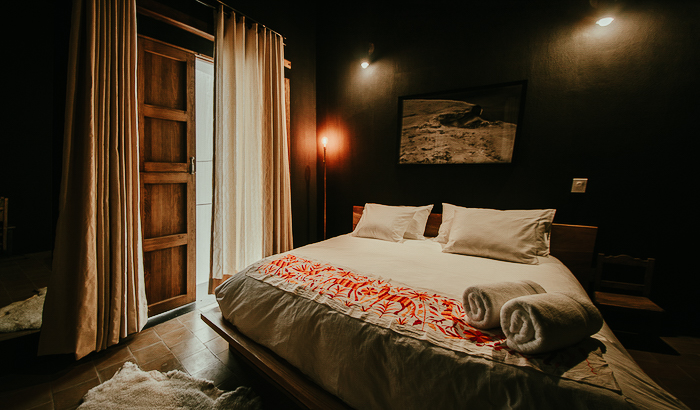
This boutique hotel in the heart of Oaxaca City is known for its minimalist, stylish decor and inclusive vibe. Hotel Sin Nombre is suoer friendly and offers a unique stay with beautiful design, a rooftop pool, and an in-house mezcal bar.
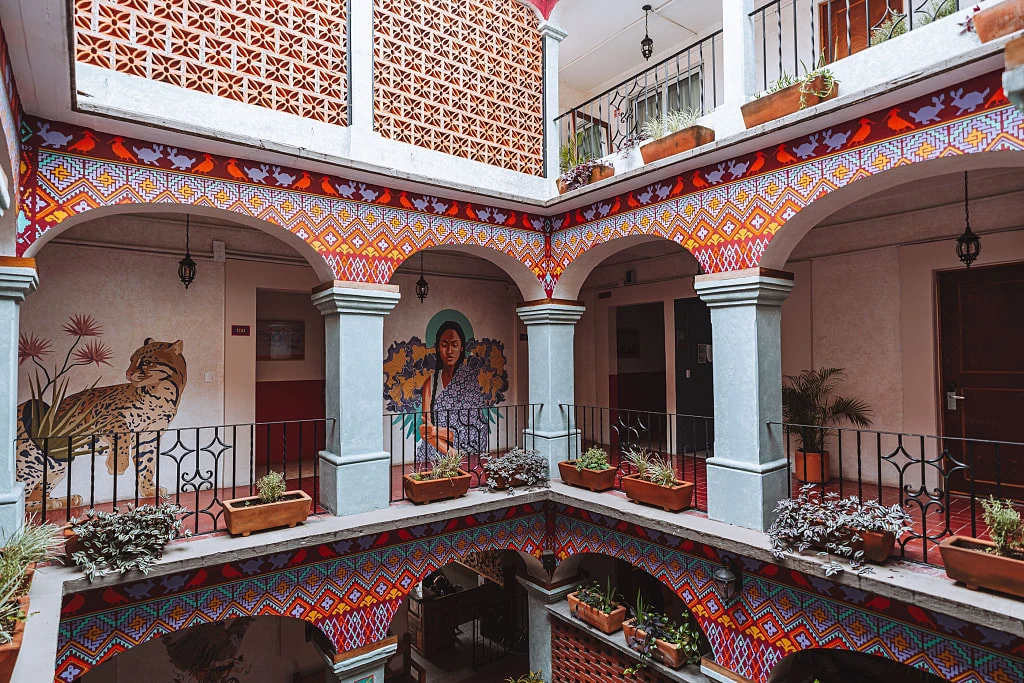
Located close to Santo Domingo Church, Casa de las Bugambilias is a charming bed-and-breakfast with a warm, welcoming atmosphere. The owners are known for being inclusive, and the beautifully decorated rooms and communal breakfast experience make it feel like a home away from home.
This popular hotel/hostel chain attracts a young, international crowd. With its colorful decor, social vibe, and community events, Selina Oaxaca is an affordable and fun option for solo travelers or groups of friends.
You can reach Oaxaca City by flying directly into Xoxocotlán International Airport (OAX), which has connections to major cities in Mexico such as Mexico City, Guadalajara, and Monterrey, as well as some direct flights from the United States. Alternatively, you can take a bus from Mexico City, which takes around 6-7 hours.
How do I get from the Oaxaca airport to the city center?
The Oaxaca airport is about a 20-30 minute drive from the city center. You have a few options:
Airport Shuttle Vans: These shared vans are economical, costing around 90-120 MXN (approximately $5-7 USD). You can find them right outside the terminal and they drop off passengers at various hotels in the city.
Taxis: Official taxis are available at the airport and typically cost 200-300 MXN (around $10-15 USD) for a one-way ride to the city center. You can pay at the taxi counter in the airport and get a voucher.
Private Transfers: If you prefer convenience, you can book a private transfer in advance, which may cost a bit more but ensures a direct ride to your accommodation.
What’s the best way to get around in Oaxaca City?
Oaxaca City is very walkable, especially in the city center where most attractions, restaurants, and nightlife spots are located. However, if you need to travel further:
Taxis: Taxis are widely available and generally safe. Make sure to agree on the fare beforehand, as most taxis don’t have meters.
Public Buses: The city has an affordable public bus system, though routes can be challenging to navigate without some basic Spanish.
Ride-Sharing Apps: Currently, apps like Uber and Lyft are not operational in Oaxaca, but DiDi is an available ride-sharing app that works in the city.
Bicycles: Several hotels and hostels rent bikes, which can be a fun and eco-friendly way to explore the city.
Do I need to carry cash in Oaxaca City?
Yes, it’s a good idea to have some cash on hand in Oaxaca, as many smaller businesses, markets, and taxis may only accept cash. ATMs are available throughout the city center, but keep in mind that some may charge fees for international cards. Most mid-range and high-end restaurants, hotels, and larger stores accept credit cards.
When is the best time to go to Oaxaca City?
The best time to visit Oaxaca City depends on what you’re looking for in your trip. Here are some key periods to consider:
October to November (Día de los Muertos): Late October to early November is one of the most popular times to visit Oaxaca, as the city comes alive with colorful Día de los Muertos (Day of the Dead) celebrations. This culturally rich holiday includes elaborate altars, parades, and festivities, offering a unique and unforgettable experience.
July (Guelaguetza Festival): Held in late July, the Guelaguetza Festival is a celebration of Indigenous culture and dance, with performances by communities from across the state. It’s an excellent time to experience Oaxaca’s traditional arts, though it can be crowded and accommodations fill up quickly.
December to February: This is Oaxaca’s dry season, which brings cooler temperatures and little rain, making it ideal for sightseeing and outdoor activities. It’s a great time for exploring Oaxaca’s ruins, markets, and natural sites without the risk of heavy rains.
June (Oaxaca Pride): Although smaller than in Mexico City, Oaxaca’s Pride celebrations usually occur in June. If you want to show your support and celebrate with the local LGBTQ+ community, this is a wonderful time to visit.
Avoid the Rainy Season (June to September): While the rain doesn’t usually disrupt activities in the city, the months of June through September can see heavy showers, especially in the afternoons. However, prices for flights and accommodations are often lower during this period, so it can be a budget-friendly option.
FINAL THOUGHTS
In a word: absolutely. Oaxaca City is more than just a beautiful Mexican city; it’s a place that celebrates diversity, art, and culture in a way that resonates deeply with travelers. From its inclusive spaces and welcoming locals to its rich history and vibrant arts scene, Oaxaca offers an experience that’s both unique and deeply moving.
While it might not have the extensive infrastructure of other destinations, its charm lies in its authenticity, respect for Indigenous traditions, and warm acceptance. Whether you’re there to explore ancient ruins, dive into Oaxaca’s legendary culinary scene, or simply wander the colorful streets with new friends, Oaxaca City is a place where you’ll feel welcomed and inspired.
About the Author
Tim is a seasoned travel writer and the creator of GO TRAVEL MEXICO NOW, a dedicated resource for travelers exploring Mexico’s vibrant destinations. After relocating to Guadalajara, he has spent years immersing himself in Mexico’s culture, from the iconic beaches of Puerto Vallarta to the nightlife of Mexico City.
With firsthand experience in Mexico’s scene, Tim has personally visited the bars, hotels, and events featured in this guide. His insights have helped travelers plan unforgettable trips while ensuring they feel safe, welcomed, and informed.
When he’s not writing, you’ll find him sipping a mezcal cocktail at a bar in Colonia Americana or travel to a new exciting destination in Mexico.






2 Comments